
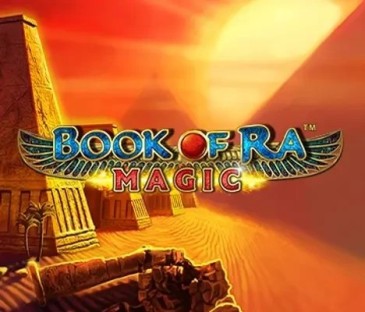
Casino players searching among grizzlys quest and similar Canadian-facing platforms often face the same problem: a large lobby can make sensible game selection harder, not easier. The useful question is not simply which title looks popular, but whether its format, pace and level of complexity suit the way you want to play. A focused approach helps you compare slots, table games, live dealers, jackpots and arcade-style options without treating every game as interchangeable.
Start with the type of experience you want
Game discovery becomes easier when you decide what kind of session you prefer before opening the lobby. Slots generally offer quick rounds, visual themes and simple controls, although their mechanics can range from traditional three-reel designs to feature-heavy Megaways-style formats. Classic slots may feel more familiar, while modern video slots can include expanding symbols, bonus rounds, cascading wins or several simultaneous ways to win.
Table games suit a different preference. Blackjack, roulette and baccarat are built around recognisable rules and repeated decisions, while video poker and other card games add a more hands-on element. These categories can vary considerably in pace. A single-player digital table game is usually more self-directed than a streamed table, where a dealer manages the action and other participants may be visible.
For players who want something outside conventional casino formats, game shows, arcade-style titles and jackpot games may provide a distinct presentation. Jackpot categories can include progressive prizes or fixed prize structures, but the presence of a jackpot does not make an outcome more predictable. Treat the category as a format choice rather than a promise of a larger return, and select games according to entertainment value rather than the size of an advertised prize.
How can the lobby help you narrow the choice?
A well-organised lobby can reduce browsing time without deciding for you. Useful navigation tools described for this platform include game search, favourites, previously played titles, trending and new-game sections, jackpot groupings and personalised recommendations. Search is most helpful when you already know a provider, title or mechanic. Category filters are better when you are still deciding between slots, tables, live games or other formats.
Recommendations should be treated as suggestions, not evidence that a game is more suitable or more likely to win. A trending title may simply be receiving attention, while a personalised list may reflect browsing behaviour rather than your preferred risk level. If a game looks interesting, inspect its information panel and rules before committing funds. Look for the basic objective, available features and any clearly stated paytable information.
It is also worth creating a short personal shortlist rather than opening dozens of titles in one sitting. Select perhaps one familiar game, one unfamiliar game and one alternative category. Compare how easy each is to understand, how quickly rounds move and whether the presentation remains enjoyable. Some slots may offer demo play after account creation, but a brief trial cannot establish long-term results, volatility or the fairness of future outcomes.
Match game complexity with your attention span
Complexity is not automatically a benefit. A feature-rich slot may include multiple bonus mechanics, changing symbols, several win paths and frequent animations. That can be engaging for someone who enjoys exploring rules, but tiring for a player who wants a straightforward session. Classic slots and simpler digital table games may be easier to follow when you prefer fewer moving parts.
Live dealer games introduce a different kind of complexity. Live blackjack, roulette, baccarat, casino poker and game shows combine streamed presentation with real-time rounds. The format can feel more social and deliberate than an automated game, yet it may also involve waiting between hands or decisions. Live titles generally do not provide conventional free demo rounds, so reading the rules and observing the interface becomes especially important.
Consider your own attention span before choosing a format. If you are distracted, tired or trying to multitask, a fast game with repeated decisions may not be a sensible choice. A slower game is not necessarily safer, and a simpler game is not necessarily more profitable; the practical aim is to avoid selecting a format you do not understand or cannot comfortably follow. Clear rules and controlled pacing are more useful criteria than visual excitement.
Compare providers without assuming they play alike
Provider names can help you explore a catalogue, but they should not be used as a shortcut for judging every title from that studio. The available selection gives a prominent role to Games Global and associated studios, alongside suppliers such as Pragmatic Play, Apricot, Red Tiger, Triple Edge Studios, Spin Play Games, Aurum Signature Studios, Northern Lights Gaming, Foxium, Oros Gaming, Wishbone and Snowborn.
Different providers may use different interfaces, terminology and feature designs. One studio’s jackpot game may feel very different from another’s, even when both appear under the same lobby heading. Similarly, a live game supplied by Pragmatic Play or OnAir Entertainment may differ in table layout, presenter style and pace. Compare the individual title rather than assuming that a provider’s overall reputation answers every question.
Independent information can help with general context, but it does not replace the operator’s current rules or the title’s own help screen. For broader gambling education and safer-play information, readers can consult Canada’s responsible gambling information. Use such material to understand concepts such as probability and play limits, while checking the specific game details displayed in the lobby for the current version available to your account and province.
Make a shortlist before spending real money
A practical shortlist should include more than a game’s theme. First, confirm that the category interests you and that the rules are understandable. Next, note whether the title is automated or live, whether demo access is available, and whether its pace suits your planned session. If the game includes jackpots, bonus features or multiple betting options, take time to understand what those labels actually mean before making a selection.
Keep the comparison narrow. Three or four titles are enough to identify preferences; constantly switching between games can make it difficult to judge whether you enjoy the format or are simply reacting to novelty. Record simple observations such as “easy rules,” “too fast,” “prefer live presentation” or “too many features.” These notes can guide future browsing without implying that one game is guaranteed to perform better.
Finally, decide on a time and spending boundary before playing, and stop when either limit is reached. Account tools may include deposit limits, session reminders, self-assessment information and self-exclusion, although available controls and procedures can depend on the account and local requirements. Game discovery should remain a way to choose entertainment, not a reason to chase losses or treat casino play as income.
Questions players often ask about game discovery
Are jackpot games better than ordinary slots?
No. Jackpot games differ in prize structure and presentation, but a larger advertised prize does not make a result more likely. Compare the rules, pace and features with ordinary slots, and choose only a title you understand. Jackpot availability, game details and eligibility can vary by account and province.
Can demo play show whether a slot will win?
No. Demo play can help you learn controls, themes and basic mechanics, but a short session cannot verify long-term results, volatility or future outcomes. It may also be unavailable for some categories, particularly live dealer games. Treat it as an orientation tool rather than evidence of likely performance.
Should I choose games from one provider?
Not necessarily. Provider names can make browsing easier, but titles from the same studio may still differ in pace, mechanics and presentation. Compare individual games instead. Read the displayed rules, check whether the format suits your attention span and avoid assuming that a provider’s other titles will work the same way.
